Mold is one of the most common problems homeowners face after water damage, leaks, or excess moisture. While some people view mold as a cosmetic issue, it can affect indoor air quality, damage building materials, and create health concerns for occupants.
Understanding the risks of mold growth and knowing when to seek professional mold remediation can help protect your home and your family’s well-being.
What Is Mold and Why Is It a Problem?
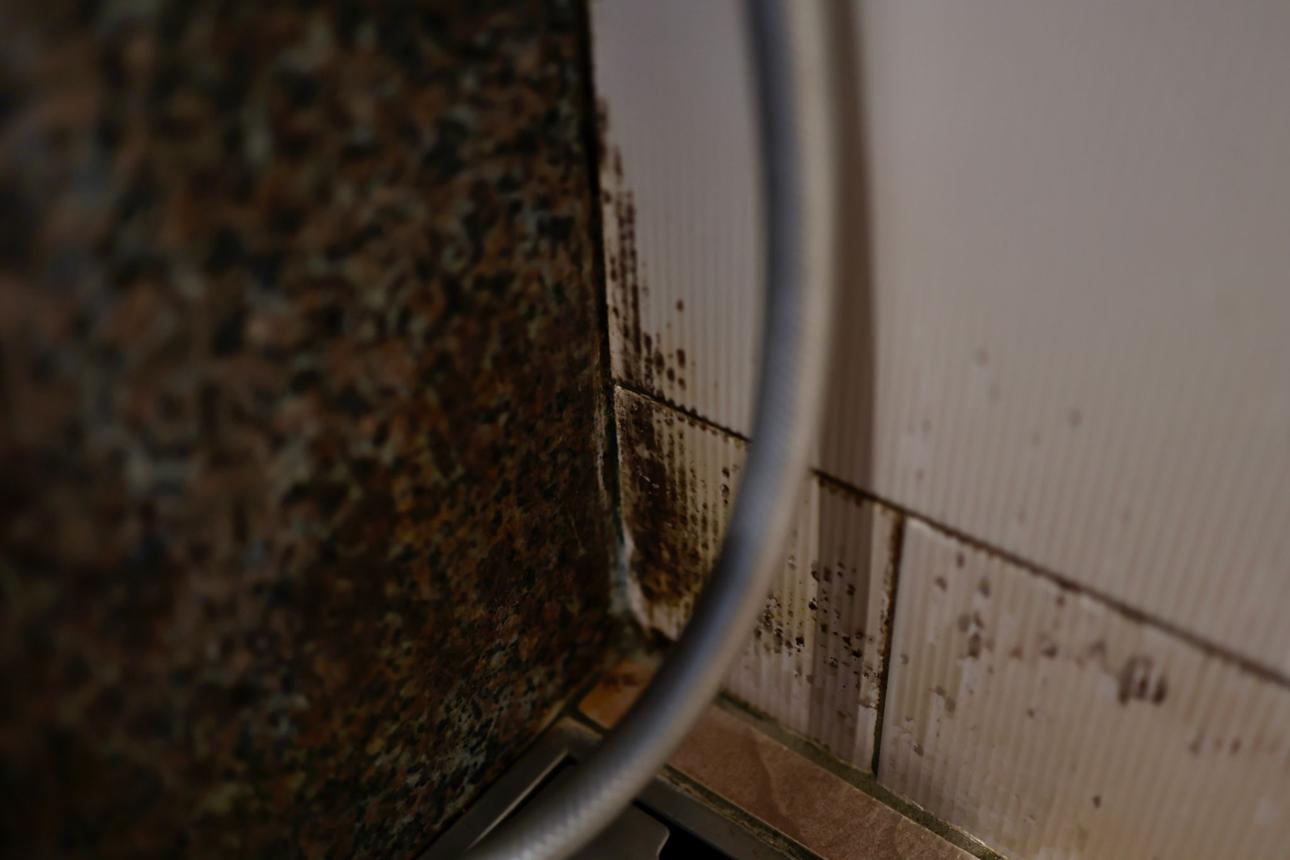
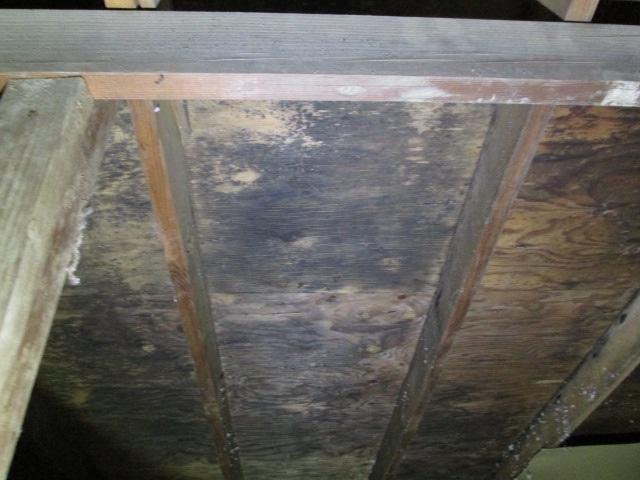
Mold is a type of fungus that thrives in damp environments. Once moisture is present, mold can quickly spread across surfaces and penetrate porous materials throughout your property. Beyond the visible stains, mold can reduce indoor air quality, damage drywall and insulation, create unpleasant odors, spread to hidden areas behind walls and ceilings, and trigger health symptoms in sensitive individuals. The longer mold is left untreated, the more extensive and costly the remediation process can become.
Common Signs of Mold Growth
Mold is not always immediately visible. In many cases, it grows in hidden areas before becoming noticeable. Common warning signs include:
- A persistent musty odor
- Visible black, green, or white spots on surfaces
- Past water damage or flooding
- Warped drywall or flooring
- Stained walls or ceilings
- Increased allergy-like symptoms indoors
If you notice any of these signs, investigate the source of moisture and address the issue promptly.
How Fast Does Mold Grow?
Mold can begin growing within 24 to 48 hours after water exposure. Common causes include burst pipes, roof leaks, appliance leaks, flooding, high indoor humidity, and poor ventilation. This is why fast water damage restoration is critical — the sooner moisture is removed, the lower the risk of mold growth.
Health Concerns Associated with Mold
Mold exposure can affect individuals differently depending on the type of mold, the level of exposure, and individual health factors. Some people may experience no symptoms, while others — particularly those with respiratory conditions, allergies, or compromised immune systems — may notice more significant effects. Common symptoms associated with mold exposure can include nasal congestion or runny nose, coughing or wheezing, eye irritation, skin irritation, and worsening of asthma or respiratory conditions. If you suspect mold is affecting your health, consult a medical professional and have your property professionally inspected.
DIY vs. Professional Mold Remediation
Minor surface mold in small areas may be manageable with thorough cleaning. However, professional mold remediation is recommended when mold covers an area larger than 10 square feet, mold is found inside walls or HVAC systems, there has been significant water damage, visible mold growth has returned after previous cleaning, or occupants are experiencing health symptoms. Professional remediation ensures the affected materials are properly handled, cross-contamination is prevented, and the source of moisture is identified and resolved.
The Professional Mold Remediation Process
When you hire a certified mold remediation company, the process typically includes a thorough inspection and moisture assessment, containment of affected areas to prevent the spread of mold spores, removal of mold-contaminated materials, cleaning and disinfection of affected surfaces, drying and dehumidification to eliminate residual moisture, and post-remediation testing to confirm the area is clear. Addressing the underlying moisture source is essential. Without fixing the source, mold can return even after remediation.
Preventing Future Mold Growth
After remediation is complete, these steps can help prevent mold from returning. Control indoor humidity by keeping levels below 50%, use exhaust fans in bathrooms and kitchens, address water leaks and plumbing issues promptly, ensure proper ventilation in attics and crawl spaces, and inspect your roof and gutters regularly. Staying proactive about moisture management is the most effective way to protect your home from future mold problems.
When to Call Precision Restoration
If you discover mold in your home — especially following water damage or flooding — do not wait. Mold spreads quickly and becomes harder to remediate the longer it is left untreated. At Precision Restoration, our certified technicians provide thorough mold inspections, professional remediation, and moisture control solutions across the Twin Cities metro area. We work with your insurance carrier and restore your property safely and efficiently. Contact us today for a professional mold assessment.